


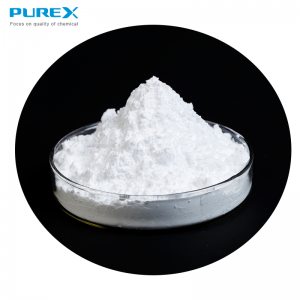
Manifattur bl-ingrossa tal-ODM Prezz tat-Trab tar-Reżina Plastifikanti Bisfenol a BPA
"Ibbażat fuq is-suq domestiku u espansjoni tan-negozju barrani" hija l-istrateġija ta' żvilupp tagħna għall-Bejgħ bl-ingrossa tal-ODM Manifattur Prezz Trab Reżina Plastifikant Bisfenol a BPA, Aħna nħossu li l-kumpanija sħuna u esperjenzata tagħna se ġġiblek sorpriżi pjaċevoli kif ukoll fortuna.
“Ibbażat fuq is-suq domestiku u espansjoni tan-negozju barrani” hija l-istrateġija ta’ żvilupp tagħna. L-istaff tagħna qed isegwi l-ispirtu ta’ “Żvilupp Ibbażat fuq l-Integrità u Interattiv”, u l-prinċipju ta’ “Kwalità tal-Ewwel Klassi b’Servizz Eċċellenti”. Skont il-bżonnijiet ta’ kull klijent, nagħtu servizzi personalizzati biex ngħinu lill-klijenti jiksbu l-għanijiet tagħhom b’suċċess. Merħba lill-klijenti mid-dar u minn barra biex iċemplu u jistaqsu!
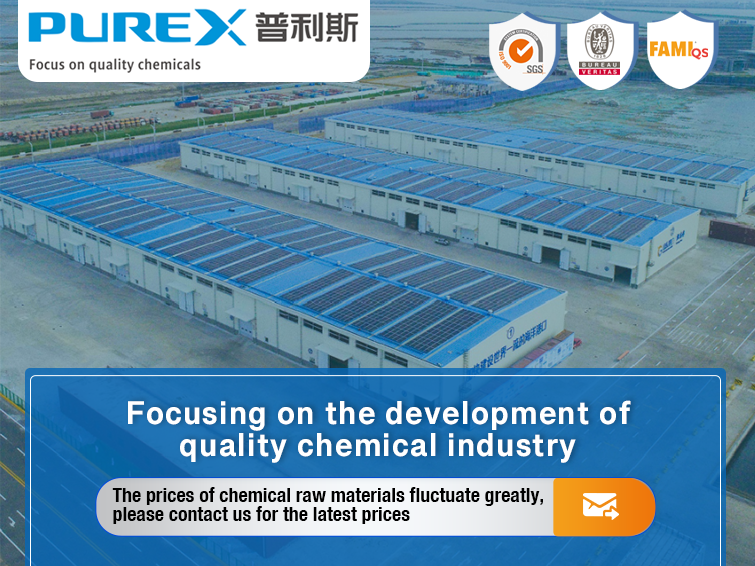
Il-kundizzjonijiet tal-ħażna għall-bisfenol A għandhom iduru madwar l-objettivi ewlenin tal-"prevenzjoni tad-deterjorament, l-iżgurar tas-sikurezza, u l-evitar tal-impatt ambjentali".
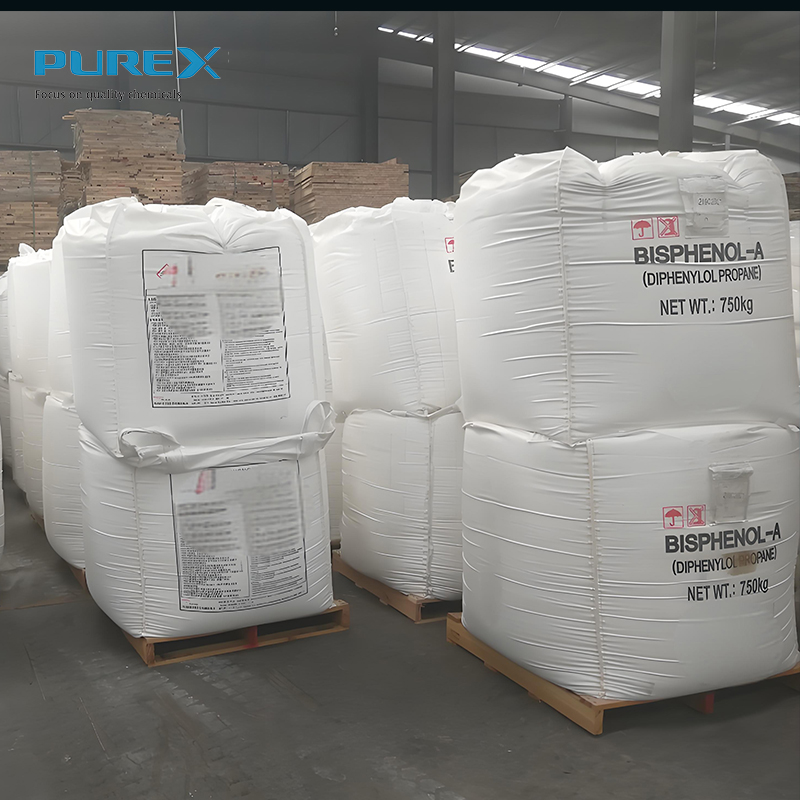
Użi tal-Bisfenol A (BPA)
Il-Bisfenol A (BPA) huwa materja prima essenzjali għas-sintesi tal-polikarbonati, ir-reżini epossidiċi, u l-poliesteri reżistenti għat-temperaturi għoljin. Jintuża wkoll bħala stabilizzatur tal-PVC, antiossidant tal-plastik, assorbitur tal-UV, funġiċida, eċċ.
Bħala kompost versatili, il-BPA jintuża b'mod estensiv fil-produzzjoni ta' reżini epossidiċi, polikarbonati, reżini tal-poliester, reżini tal-etere tal-polifenilene, u reżini tal-polisulfone. Barra minn hekk, iservi bħala stabilizzatur għall-klorur tal-polivinil (PVC), antiossidant fil-plastik, assorbitur tal-UV, funġiċida agrikola, u aġent kontra t-tixjiħ fil-gomma.
Jintuża wkoll bħala antiossidant u plastifikanti fiż-żebgħa u l-linka. Fis-sintesi organika, il-BPA jaġixxi bħala ingredjent ewlieni għall-manifattura ta' reżini epossidiċi u polikarbonati, u huwa applikat b'mod wiesa' bħala materja prima importanti għal komposti sintetiċi b'molekuli għoljin, kif ukoll f'aġenti kontra t-tixjiħ, plastifikanti, u funġiċidi agrikoli.
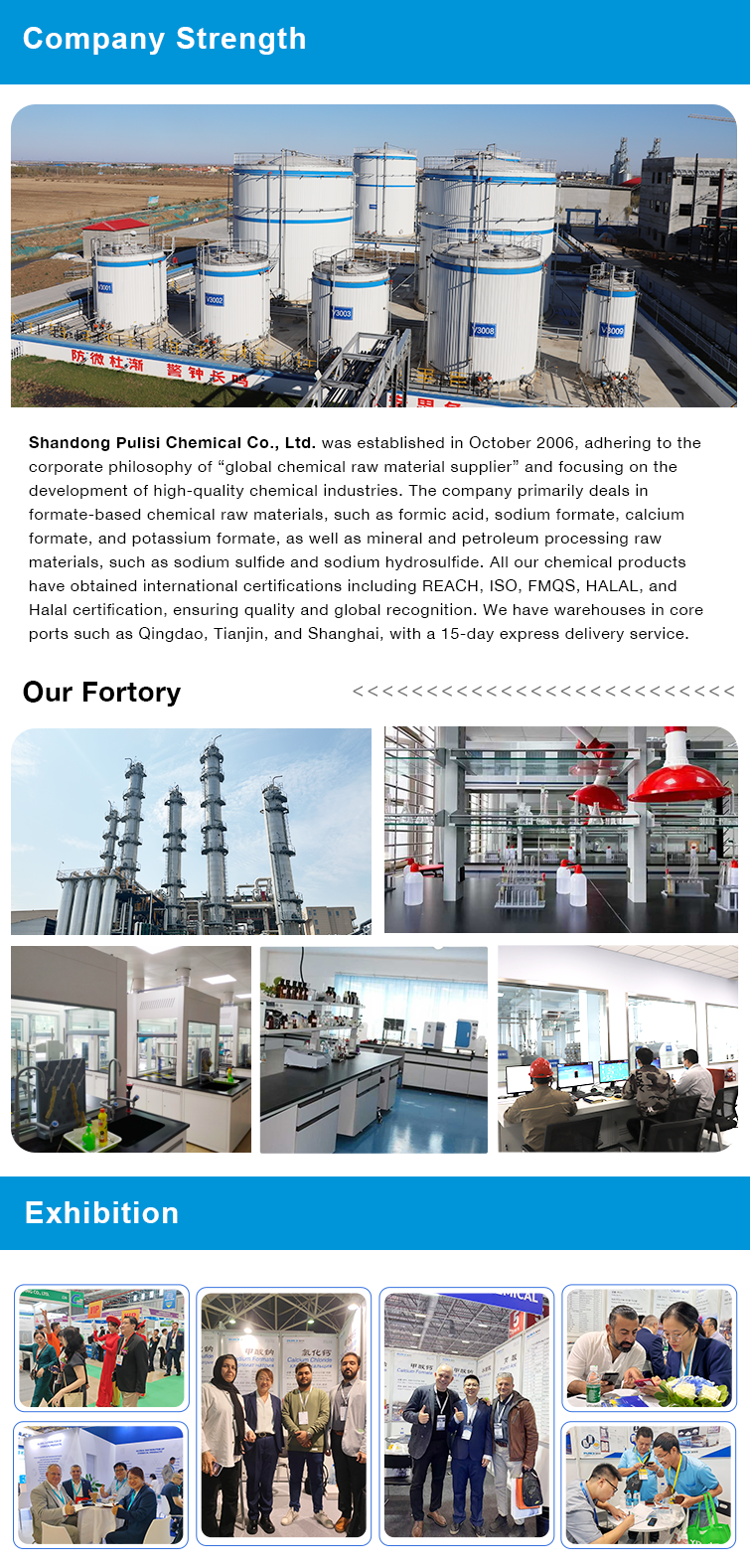
1. Affidabbiltà fil-Kunsinna u Eċċellenza Operazzjonali
Karatteristiċi Ewlenin:
Ċentri strateġiċi tal-inventarju fil-maħżen tal-port ta' Qingdao, Tianjin, u Longkou b'aktar minn 1,000
tunnellati metriċi ta' stokk disponibbli
68% tal-ordnijiet twasslu fi żmien 15-il jum; ordnijiet urġenti ngħataw prijorità permezz ta' loġistika espressa
kanal (aċċelerazzjoni ta' 30%)
2. Kwalità u Konformità Regolatorja
Ċertifikazzjonijiet:
Ċertifikat tliet darbiet skont l-istandards REACH, ISO 9001, u FMQS
Konformi mar-regolamenti globali tal-iġjene; rata ta' suċċess ta' 100% fir-rilaxx tad-dwana għal
Importazzjonijiet Russi
3. Qafas ta' Sigurtà Transazzjonali
Soluzzjonijiet ta' Ħlas:
Termini flessibbli: LC (vista/terminu), TT (20% avvanz + 80% mal-ġarr)
Skemi speċjalizzati: LC ta' 90 jum għas-swieq tal-Amerika t'Isfel; Lvant Nofsani: 30%
depożitu + ħlas BL
Riżoluzzjoni ta' tilwim: Protokoll ta' rispons ta' 72 siegħa għal kunflitti relatati mal-ordnijiet
4. Infrastruttura tal-Katina tal-Provvista Agile
Netwerk Loġistiku Multimodali:
Trasport bl-ajru: Kunsinna ta' 3 ijiem għal vjeġġi ta' aċidu propjoniku lejn it-Tajlandja
Trasport bil-ferrovija: Rotta ddedikata għall-format tal-kalċju lejn ir-Russja permezz tal-kurituri Ewrasjatiċi
Soluzzjonijiet ISO TANK: Kunsinni diretti ta' kimiċi likwidi (eż., aċidu propjoniku lil
l-Indja)
Ottimizzazzjoni tal-Ippakkjar:
Teknoloġija Flexitank: tnaqqis ta' 12% fl-ispejjeż għall-etilen glikol (meta mqabbel mat-tanbur tradizzjonali)
ippakkjar)
Format tal-kalċju/Idrosulfid tas-Sodju ta' grad ta' kostruzzjoni: Boroż tal-PP minsuġin ta' 25kg reżistenti għall-umdità
5. Protokolli ta' Mitigazzjoni tar-Riskju
Viżibilità minn tarf sa tarf:
Traċċar tal-GPS f'ħin reali għal vjeġġi ta' kontejners
Servizzi ta' spezzjoni minn partijiet terzi fil-portijiet tad-destinazzjoni (eż., kunsinni ta' aċidu aċetiku lejn l-Afrika t'Isfel)
Assigurazzjoni ta' wara l-bejgħ:
Garanzija ta' kwalità ta' 30 jum b'għażliet ta' sostituzzjoni/rifużjoni
Loggers tal-monitoraġġ tat-temperatura b'xejn għal vjeġġi ta' kontejners refriġerati
Minħabba l-ftit manifatturi domestiċi li jipproduċu BPA ta' kwalità għolja, u l-iżvilupp mgħaġġel ta' prodotti li jużaw Bisphenol a BPA bħal reżini epossidiċi, polikarbonati, reżini tal-poliester mhux saturati, reżini fenoliċi, u ritardanti tal-fjammi, huwa mistenni li l-produzzjoni domestika ta' Bisphenol a BPA fl-1996 xorta ma tkunx tista' tissodisfa d-domanda tas-suq, u madwar 20,000 tunnellata ta' Bisphenol a BPA xorta se jkollhom bżonn jiġu importati.
Kategoriji ta' prodotti
-

Prezz Kompetittiv għal Gaa Glac ta' Grad Industrijali...
-

Kwalità Għolja Prezz tal-Fabbrika Kwalità Tajba Purità Għolja...
-

Bejgħ bl-ingrossa Fabbrika OEM Kunsinna Diretta Numru CAS...
-

L-Aqwa Prezz għall-Format tal-Kalċju 98% Grad ta' Għalf...
-
Kwalità Għolja taċ-Ċina Purità 85% Trasparenza Bla Kulur...
-
Standard tal-Manifattur Provvista tal-Fabbrika 99% CAS 108-...